

KYBERNETIK.LAB Mastering
Professional mastering for electronic music. The final stage that makes your track hold up on every system it plays on.
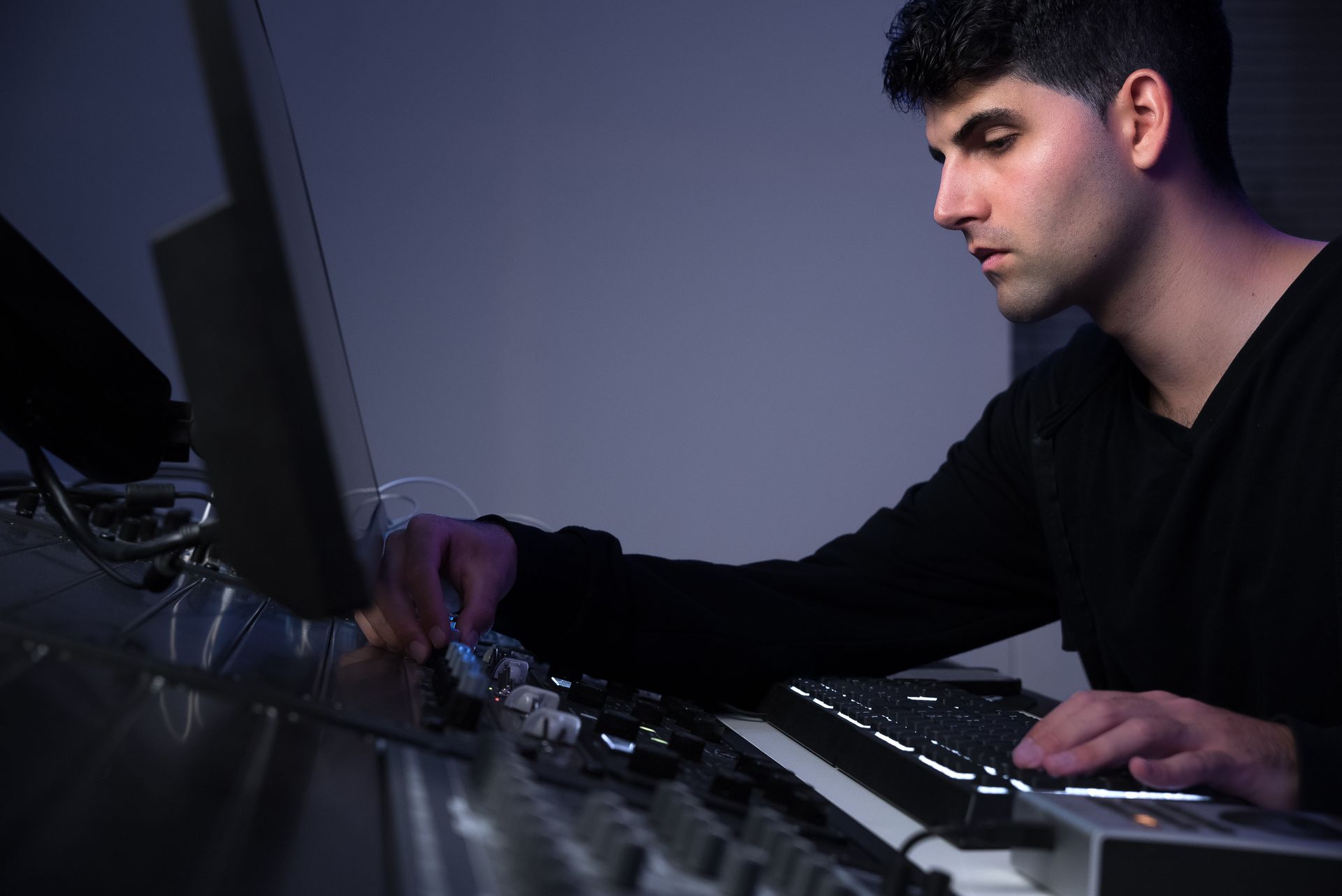
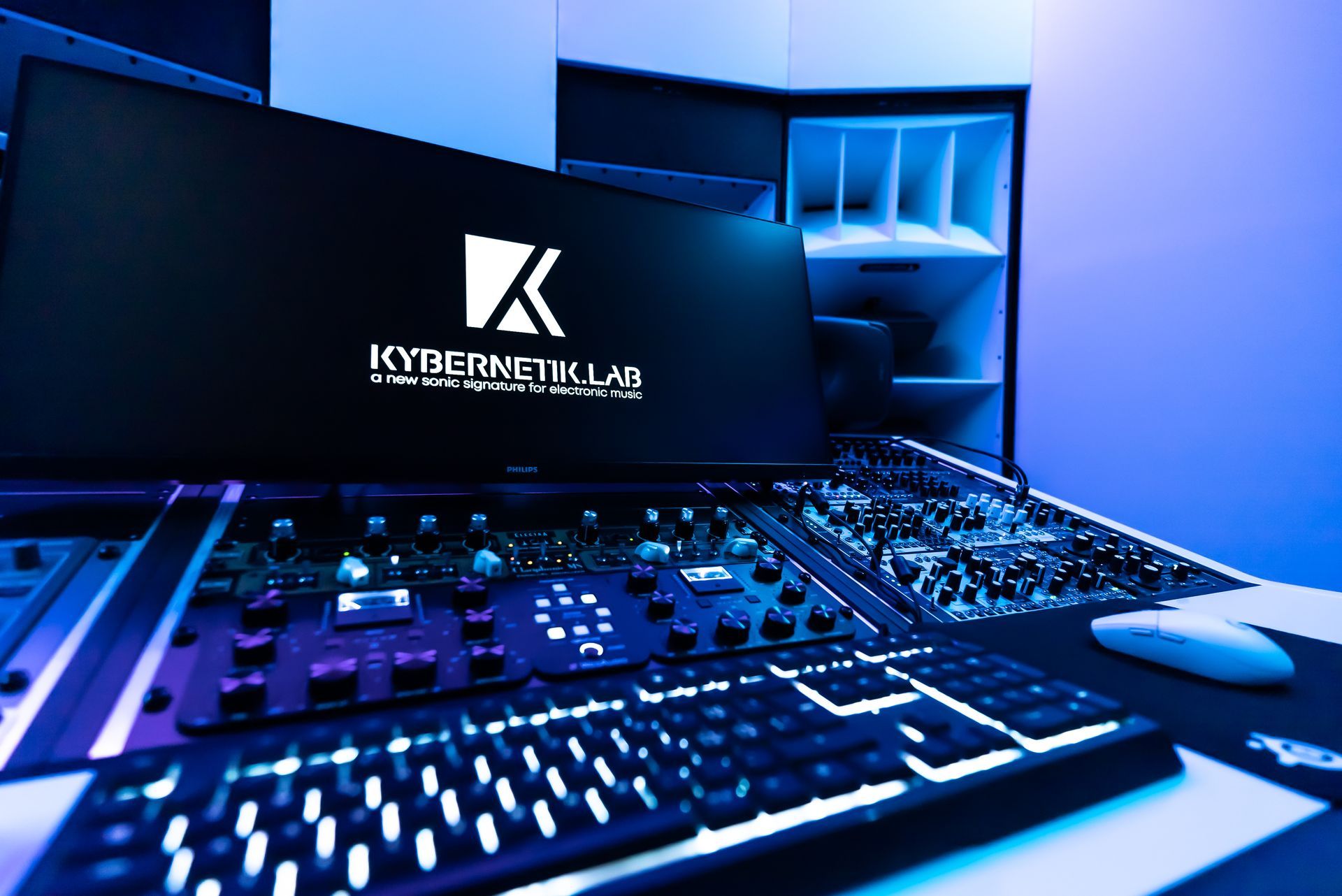
I master on the Lambda Labs QX3, a horn-loaded reference system that shows low-end, punch and dynamics the way a large rig does. When I set your sub and your kick, I hear how they behave on a big system instead of guessing. Your master gets shaped for how the music is actually heard, not pushed to hit a number on a meter.
Send me your finished mix. You get a release-ready master back, with two revisions included. No presets and no algorithm. Every master is done by hand on the QX3.
If your track lives across very different systems, from club to streaming to vinyl, there is a way to get a dedicated master for each one. The FAQ explains how.
$149.00
Stem Mastering
Number of Tracks
SPECIFICATIONS
HOW TO USE
DETAILS
WHAT YOU GET
- A professional, release-ready master, made by hand on the Lambda Labs QX3
- Sound shaped for where your music plays, with real club and festival translation
- Two revisions included
- Delivery as WAV and MP3, in the formats your release needs
- The option of dedicated masters for more than one system (multi-target, included, see FAQ)
HOW TO PREAPRE
- Export your final mix as a stereo WAV, 24-bit, with headroom. Take ake any limiter or heavy processing off your master bus.
- If you book stem mastering, export your stems from the same session (drums, bass, synths, vocals and so on). Every stem starts at bar one and runs the full length.
- Add one or two reference tracks if you have them, so we aim at the same sound.
- If your track will be released on more than one platform, like club, streaming or large venue, write it in your order note. See the FAQ on multi-target.
FAQ
No Stems, 4 Stems or 8 Stems. What is the difference?
No Stems means you send one finished stereo mix. That is the normal way to master. With stems you send grouped parts of your track, for example drums, bass, synths and vocals. That lets me balance and shape those groups during mastering for more control over the result. It stays mastering, not mixing. It works on top of the mix you already made.
Why does my track get quieter after mastering?
Streaming platforms normalize loudness. Spotify, Apple Music, Tidal and YouTube turn every track up or down to a target level on playback, near -14 LUFS on most of them. A master that was pushed only for maximum loudness gets turned back down, and it arrives with its transients already squashed. It ends up sounding smaller than a track that kept some headroom. I master for impact on the system your track plays on, so it holds up once the platform has done its thing.
What is multi-target mastering, and why would I want it?
A master is always tuned to one playback system. A club rig, a phone speaker and a vinyl record behave completely differently, so the ideal master for one is not the ideal master for another. A club or festival version runs hotter and hits harder on a big PA. A streaming version keeps headroom so it stays punchy after normalization. A vinyl version keeps the sub in mono and stays more dynamic so the needle tracks cleanly. Multi-target means you get a dedicated version for each system your track goes to, instead of one all-rounder that compromises between all of them.
Is the standard master good enough on its own?
Yes. Every master I deliver is complete and ready to release, and for most tracks one master is the right call. Multi-target matters when a release lives in very different worlds at the same time, for example a track that plays in clubs, streams on Spotify and gets pressed to vinyl. In that case one master alone has to compromise. If your track has one main home, one master is exactly what it needs.
How do I get multi-target mastering?
It is included, with no extra charge, and it works as a short conversation rather than a checkbox. To do it properly I need to know where your track is going, and you should have a say in which versions make sense. When you order, write in the order note that you want it and tell me where the track will be released. I get back to you to line it up. In most cases I suggest two or three versions for you to choose from.
Do you understand my kind of low-end?
Yes. This is electronic music first. I design kick drums from scratch, so I know how a modern kick and sub are built and where they hide their energy. On the QX3 I can hear when a master is getting too bass-heavy or too thin long before it reaches a club system. Your track will not come back scooped or generic.
Remote or in the studio?
Remote, worldwide. The QX3 room is in the Basel area.
Which genres?
Electronic music. Techno, trance, psy, house, progressive, experimental and everything close to them.
KYBERNETIK.LAB is an electronic music studio in the Basel area, in Münchenstein, built for electronic music from the ground up. Everything that carries the name is made by Joel Hostettler, Dipl. Audio Ing., and developed on the Lambda Labs QX3, a horn-loaded reference system that reveals what normal monitors hide. That is the standard behind every product here, from services to sounds to tools: real precision, and a result that holds up on the systems your music is actually played on.